A roof that only leaks in heavy rain is not a roof with a minor problem. It’s a roof with a gap that’s waiting for the right weather.
Most people shrug it off. It only drips when it really pours, and it’s been dry for weeks, so surely it can wait? That’s the expensive mistake. Often, water is getting in on lighter days too. It just soaks into insulation and timber before it ever reaches your ceiling.
We’re GRR-Roofing, a local Greenock team that repairs leaking roofs across Inverclyde and Renfrewshire, so we know the usual culprits. Below are seven common reasons a roof leaks in heavy rain, what each one looks like, and what to do about it.
Why heavy rain finds the weak spots
Greenock gets roughly 1,500mm of rain a year, and on the west coast the wind often drives it sideways. Heavy rain does two things a shower doesn’t. It sends far more water down the roof at once, and with wind behind it, it pushes that water sideways and uphill, under slates and past seals that cope fine in light rain.
A small defect that survives a drizzle will give up in a downpour.
1. Worn or lifting flashing
Flashing is the strip of lead or metal that seals the join between your roof and anything that sticks up through it, like a chimney or a dormer window. Over time it lifts, cracks or pulls away from the wall, and wind-driven rain gets behind it.
A stain next to a chimney, or where an extension meets the main roof, usually points to the flashing. If it’s by a chimney, the pointing (the mortar between the bricks) is the next thing to check.
2. Slipped, cracked or missing slates and tiles
One slipped slate leaves a gap. In light rain the water runs over it. In a downpour with wind behind it, the water goes straight in. On older Scottish slate roofs, the nails holding the slates often corrode, so slates slip without any storm.
You can often spot them from the ground with binoculars or your phone’s zoom. Look for gaps, or broken pieces on the path or lawn. A single slipped slate is a small repair, but leaving it lets the timber underneath get wet. Our roof repairs team can fix these quickly.
3. Blocked or badly fitted gutters
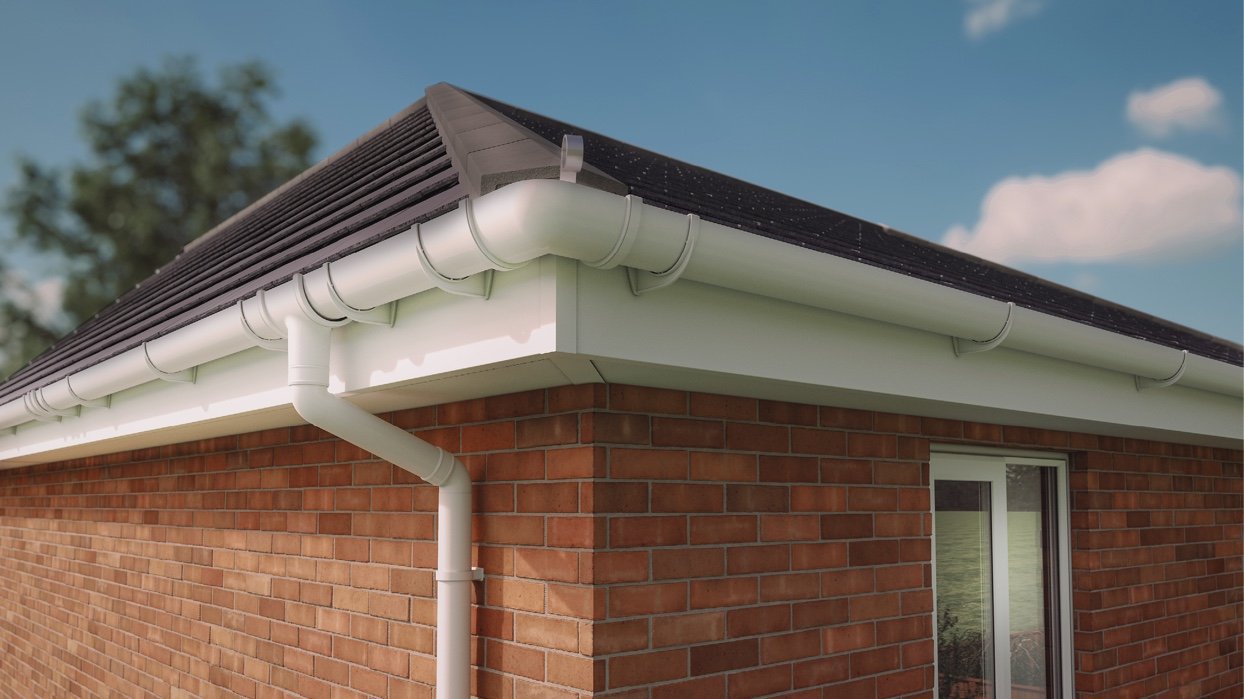
When a gutter can’t drain, it overflows. Water then backs up under the bottom edge of the roof and runs behind the fascia boards (the boards along the edge of the roof). Gutters fitted without enough slope hold water too.
Watch your gutters during heavy rain. If water is pouring over the front edge, you have your answer. Our fascia, soffit and gutter service covers clearing, repairs and new guttering.
4. Valleys that can’t cope
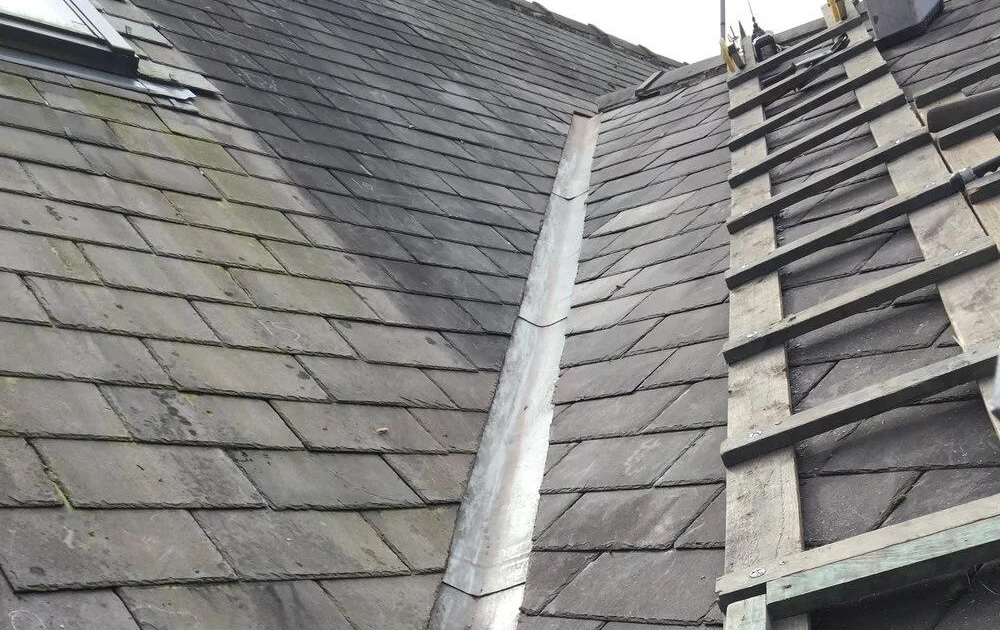
A valley is the V-shaped join where two roof slopes meet. It collects water from both, so in heavy rain it carries far more than any other part of the roof. If the lead lining is worn, or the valley is choked with moss and leaves, it overflows into the roof.
Valleys fail first because they work hardest.
Not sure where the water’s getting in?
Get a professional assessment of your roof before a small problem becomes an expensive one. We’ll tell you exactly where you stand.
5. Ridge and verge problems
The ridge is the top line of the roof, and the verge is the edge at the gable end. Both are often sealed with mortar, which cracks with frost and age. Dry-fix systems, which use clips and screws instead of mortar, can work loose too. Either way, wind and rain can get underneath.
Cracked or crumbling mortar along the ridge or verge is easy to spot and worth fixing early.
6. Roof window seals
If the stain is around a roof window, such as a Velux, the seal and the flashing around the frame are the likely cause. In heavy rain, water can pool against the glass and find any weak point in the seal.
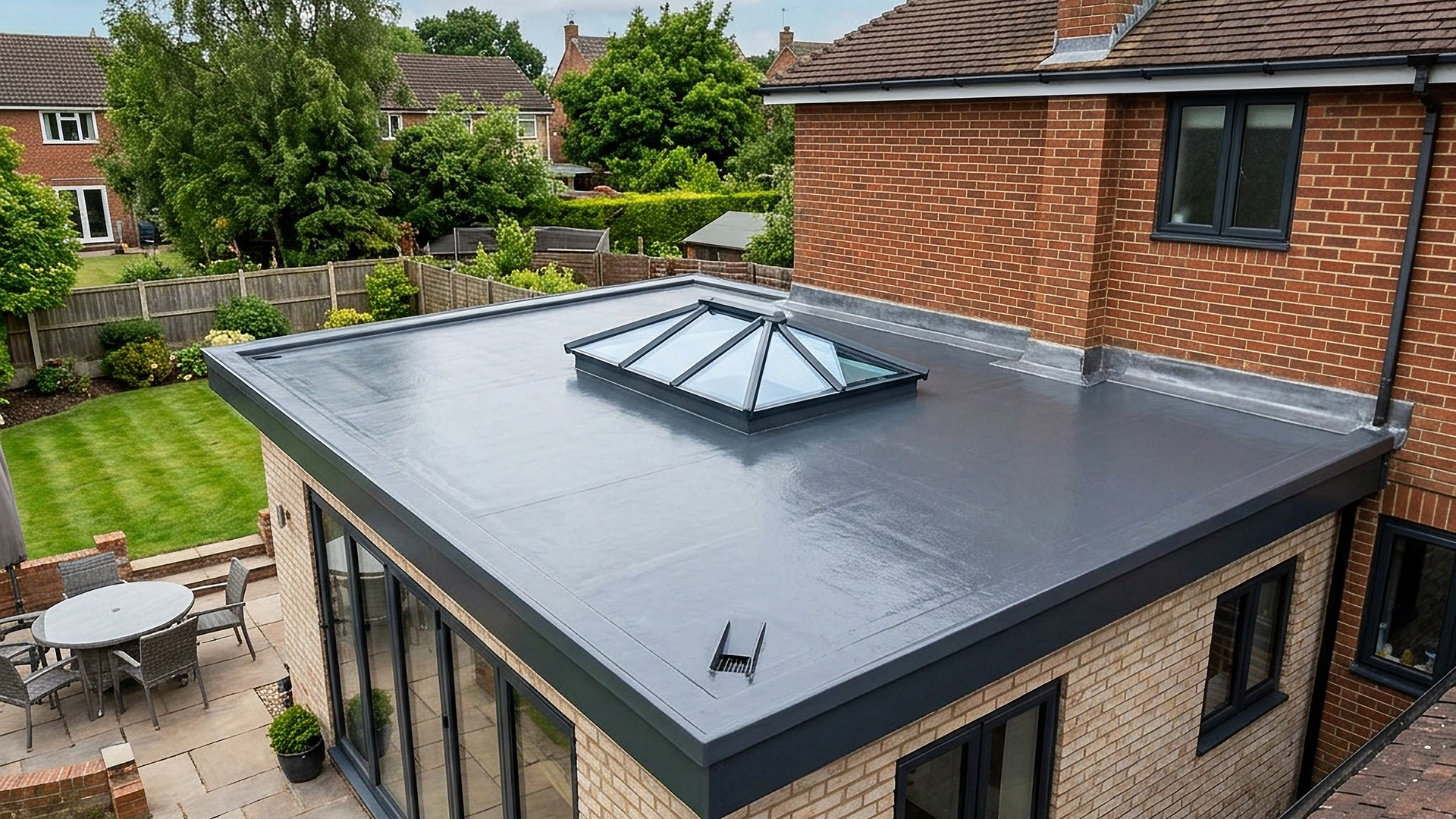
7. Flat roof outlets and seams
Garage and extension roofs are often flat. If the outlet (the drain) is blocked, water pools and finds the seams. A widely used rule of thumb is that water still standing 48 hours after rain is a sign of a problem.
What to do while you wait for a repair
- Put a bucket under the drip and move furniture and electronics away.
- If water is near a light fitting, switch off that circuit.
- Take dated photos of the stain and the damage.
- Don’t climb onto a wet roof. Check from the ground, and from the loft with a torch. Look for damp insulation, water trails on rafters or daylight coming through.
- Note which way the wind was blowing when it leaked. The problem is often on that side of the house.
If the leak followed a storm, your home insurance may cover it, so check your policy and keep your photos before you arrange repairs.
When a repair isn’t enough
Sometimes the same leak keeps coming back, or there’s more than one cause. If the roof is at the end of its life, patching it repeatedly costs more than fixing it properly. A repair that fails twice is usually a sign the roof needs more than a repair. In that case, a new roof can be better value over time, and we’ll tell you honestly which one you need.
What other customers say
Customers tell us the same things after a leak: they want someone who turns up and fixes it.
“
★★★★★
“Had an emergency repair, called these guys, out that day, sorted! Couldn’t recommend highly enough.”
Scott Anderson
Verified customer
“
★★★★★
“Reliable and responsive giving a fair quote with an outstanding job completed in the timeframe. The guys were happy to answer all questions leaving us feeling reassured.”
Leeanne K
Verified customer
Book a Free Roof Survey
We’ll assess your roof and show you exactly what needs attention and what doesn’t.
Fill in our contact form and someone will get back to you within a couple of hours.